The things you kept, back when you need them.
Your taste, in a form a model can read. Trove is a private library of the work you decided was good. Save it from anywhere. Mentor, the agent inside it, brings back what bears on whatever you're making next.
Say what you're making. The library answers.

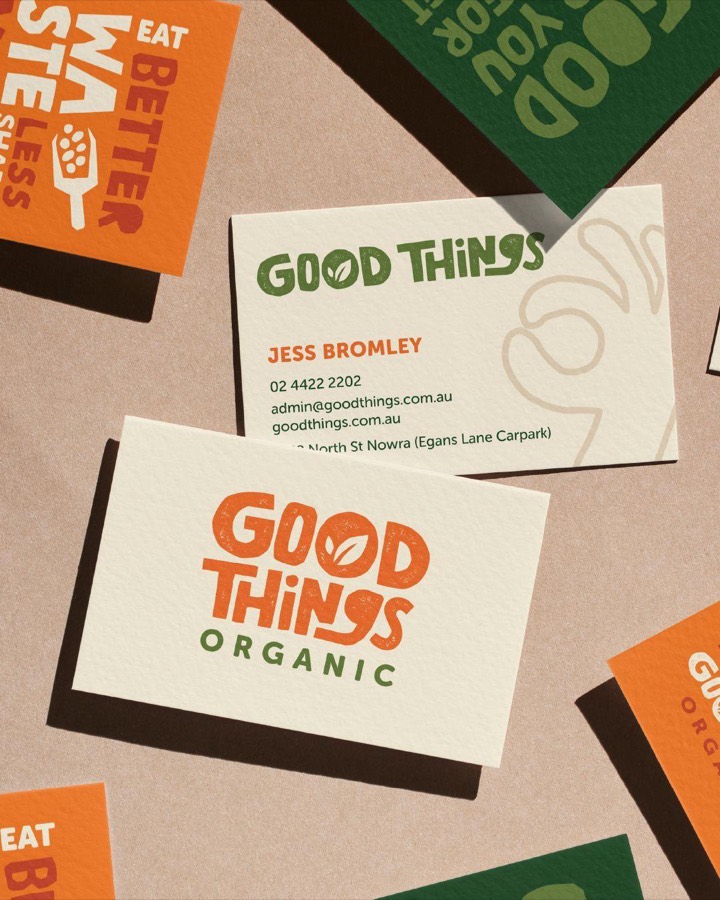
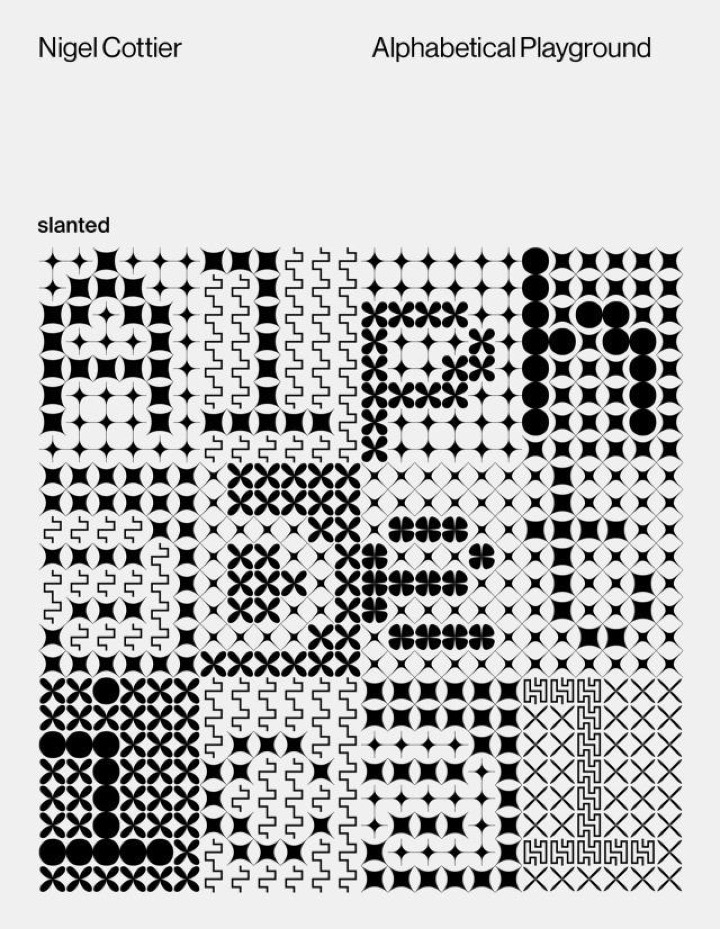
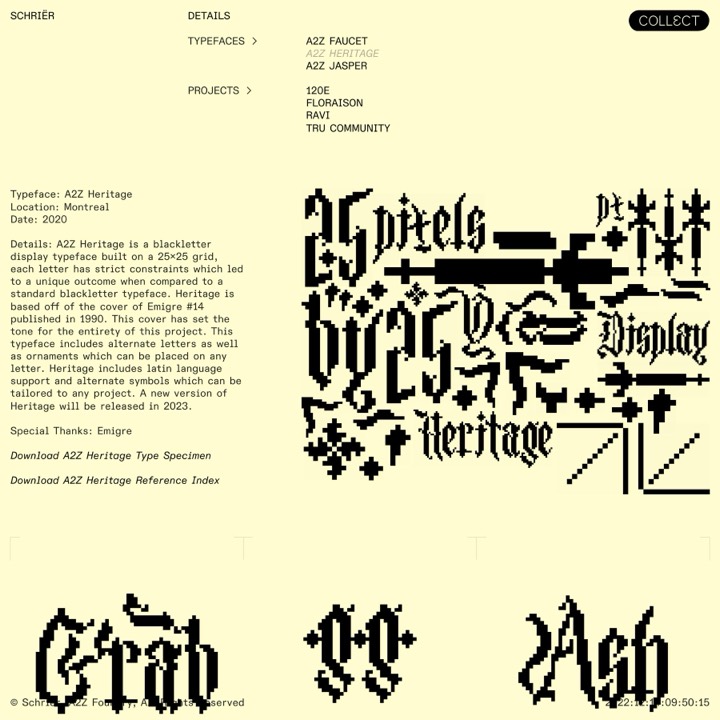
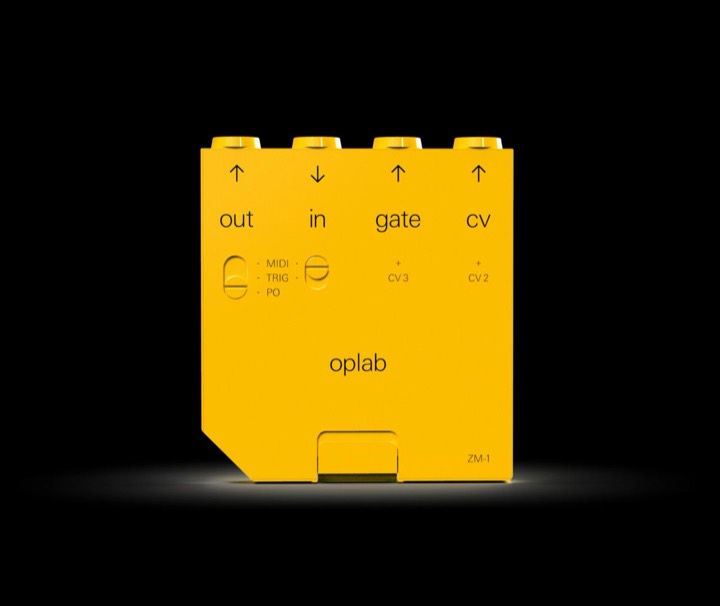
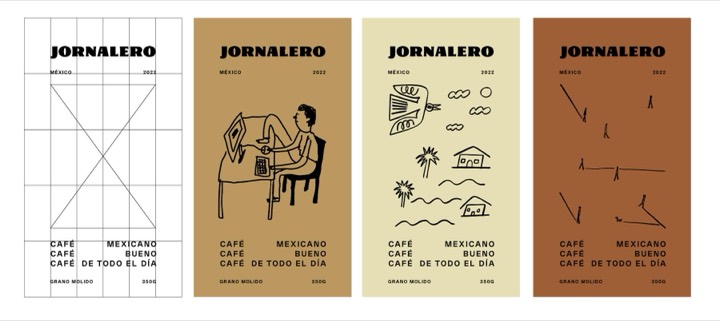
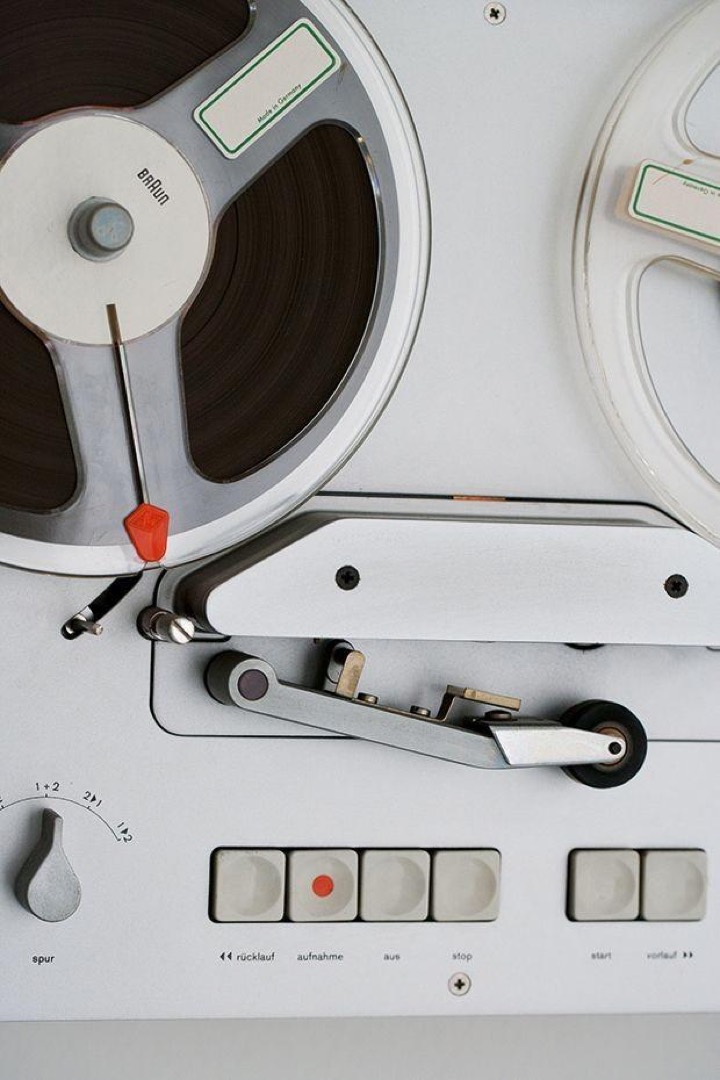
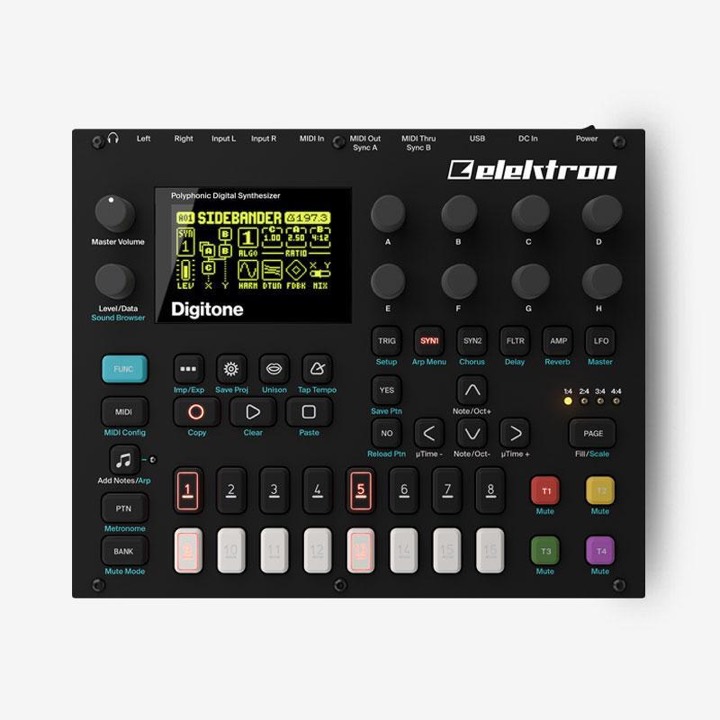
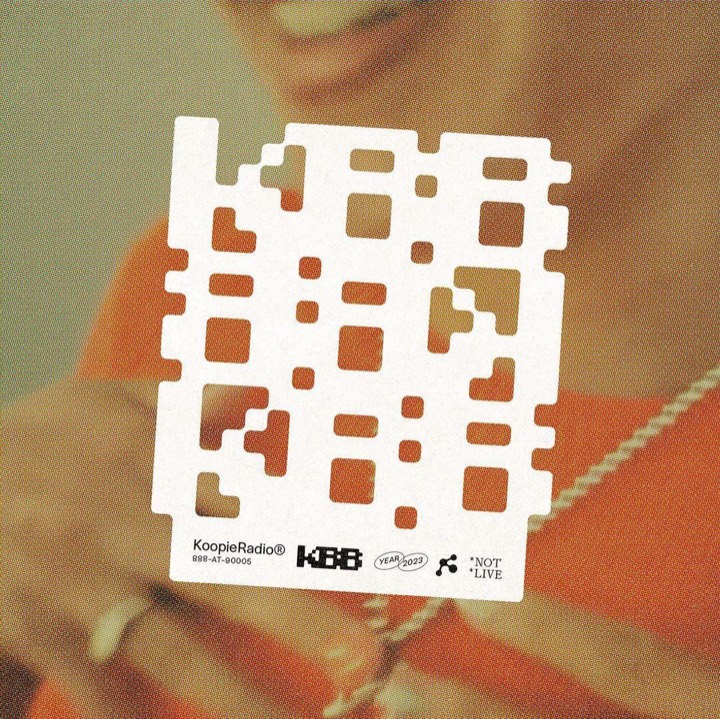
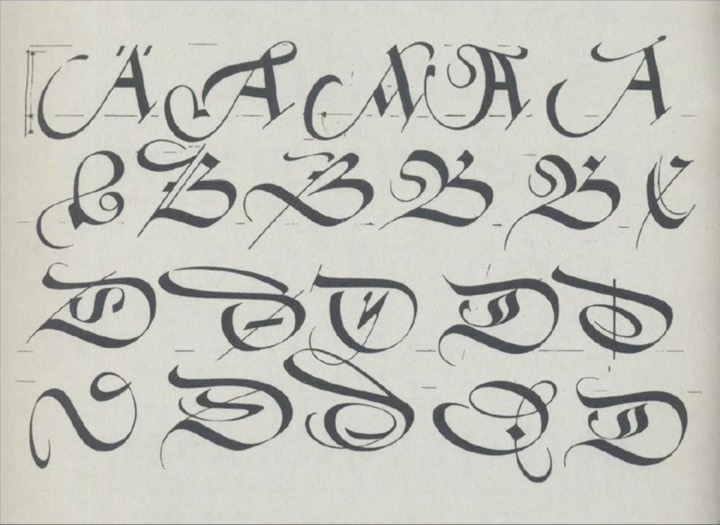
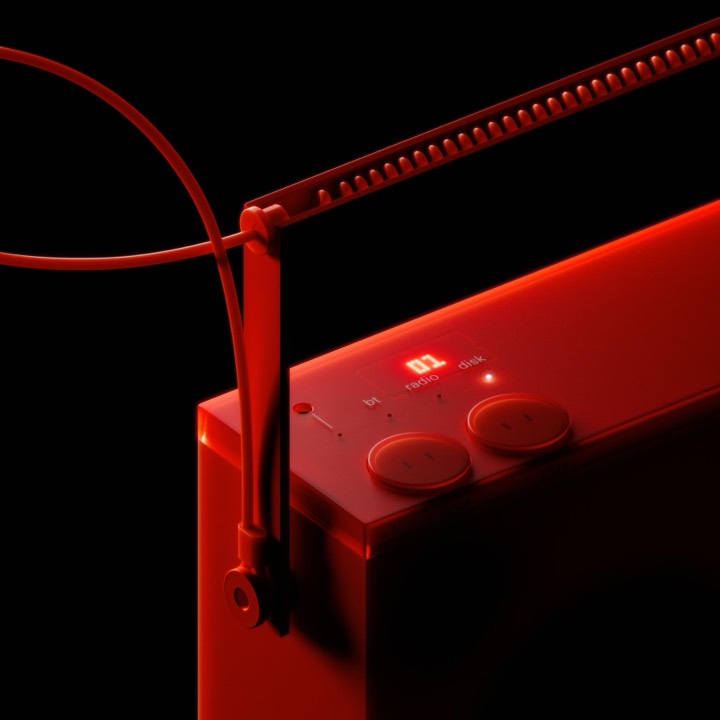
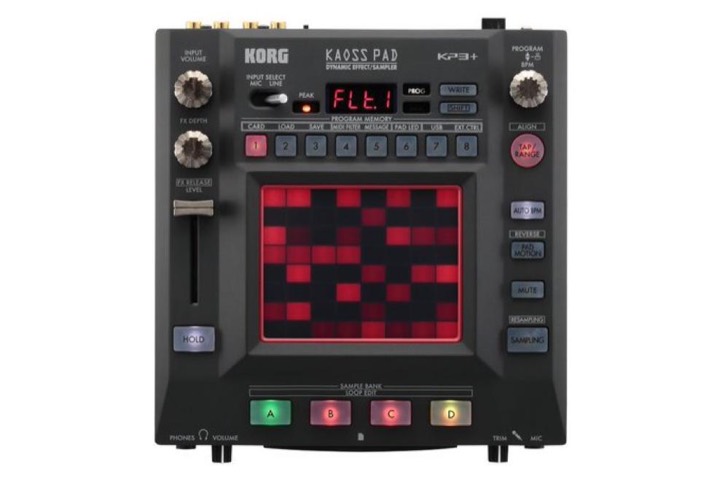
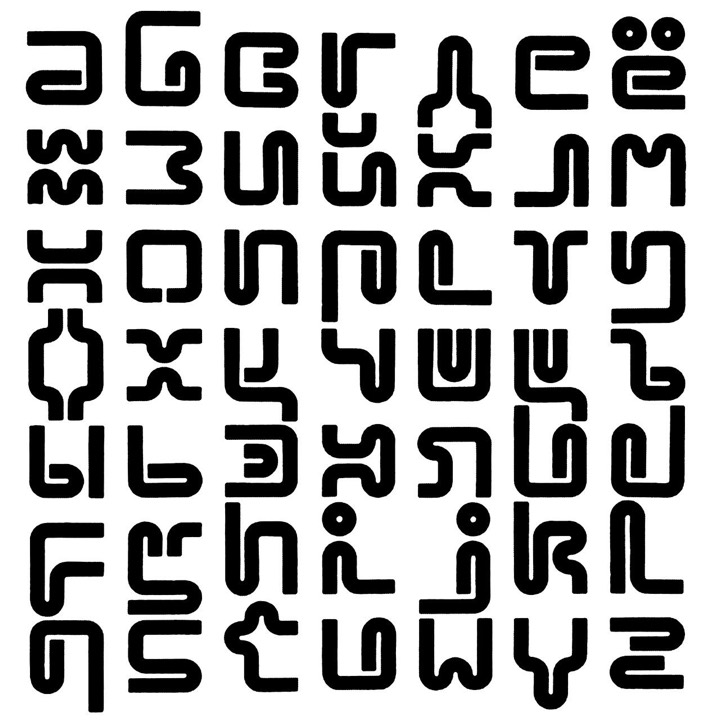
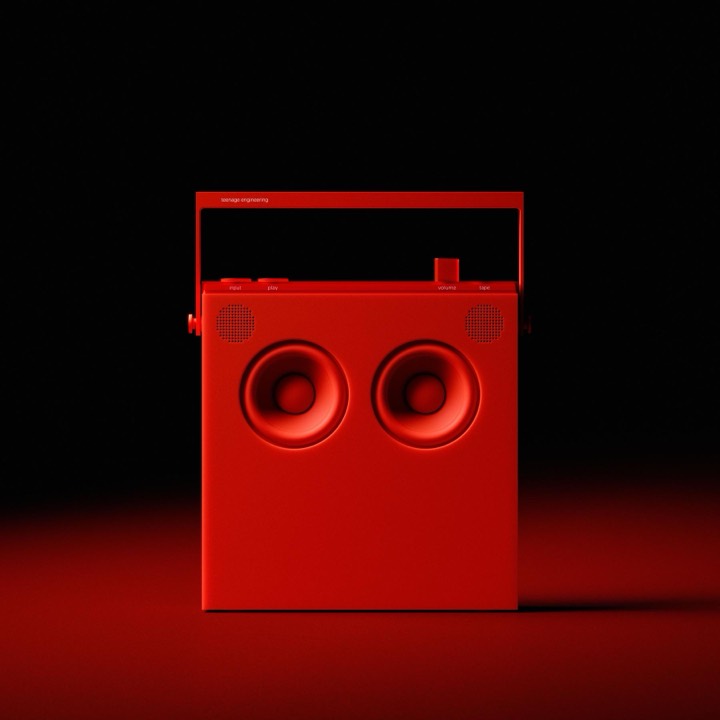
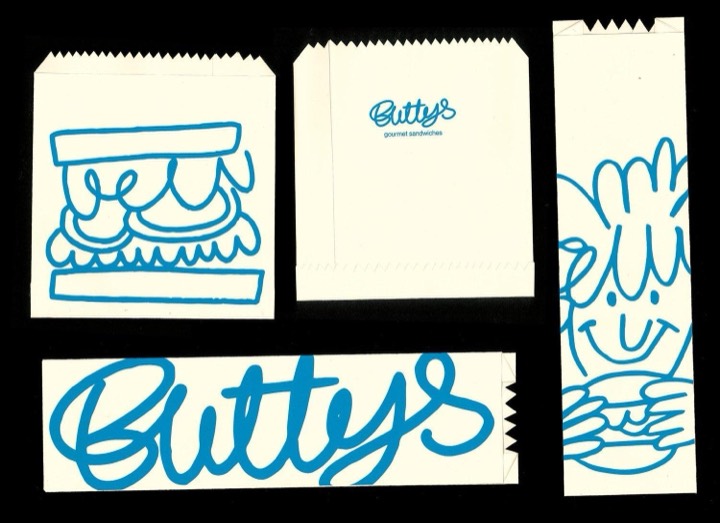
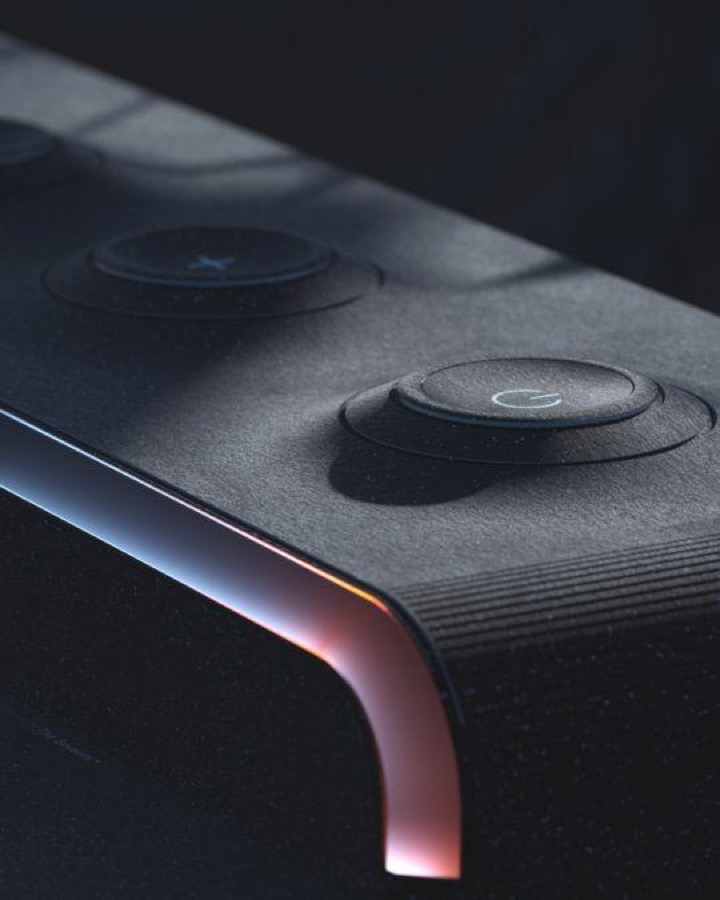
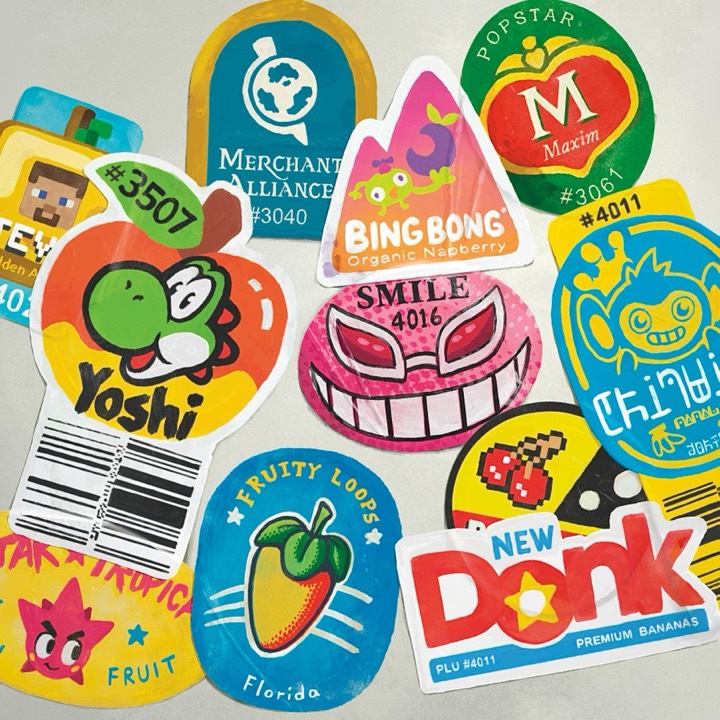
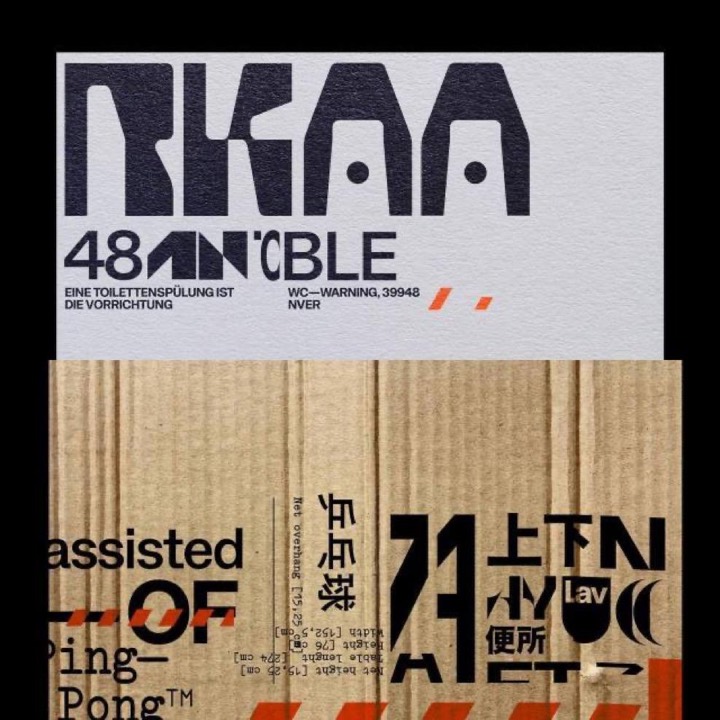
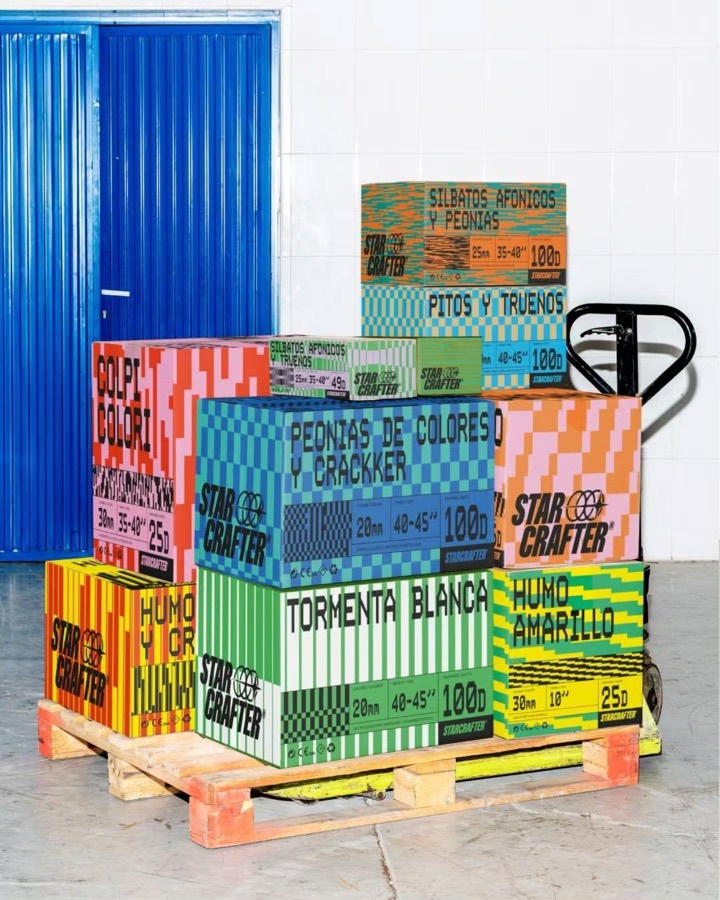
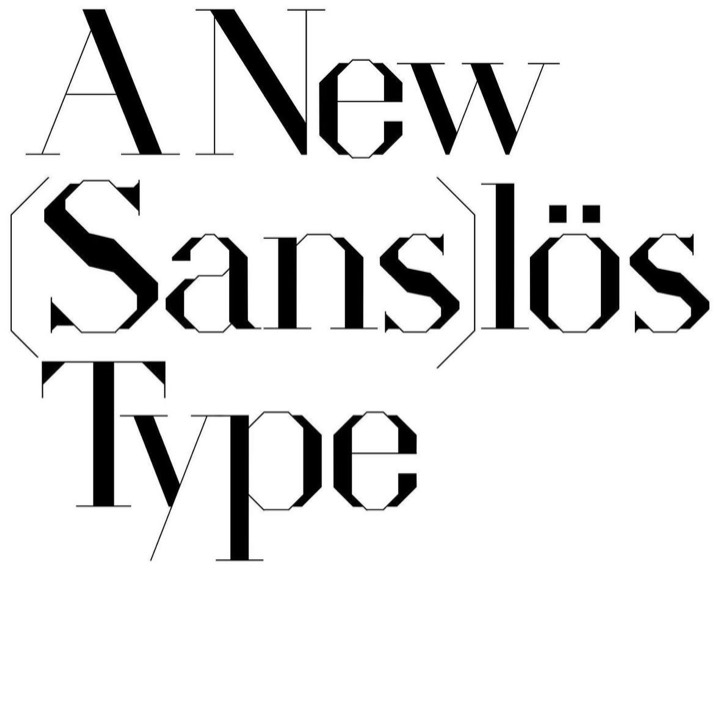
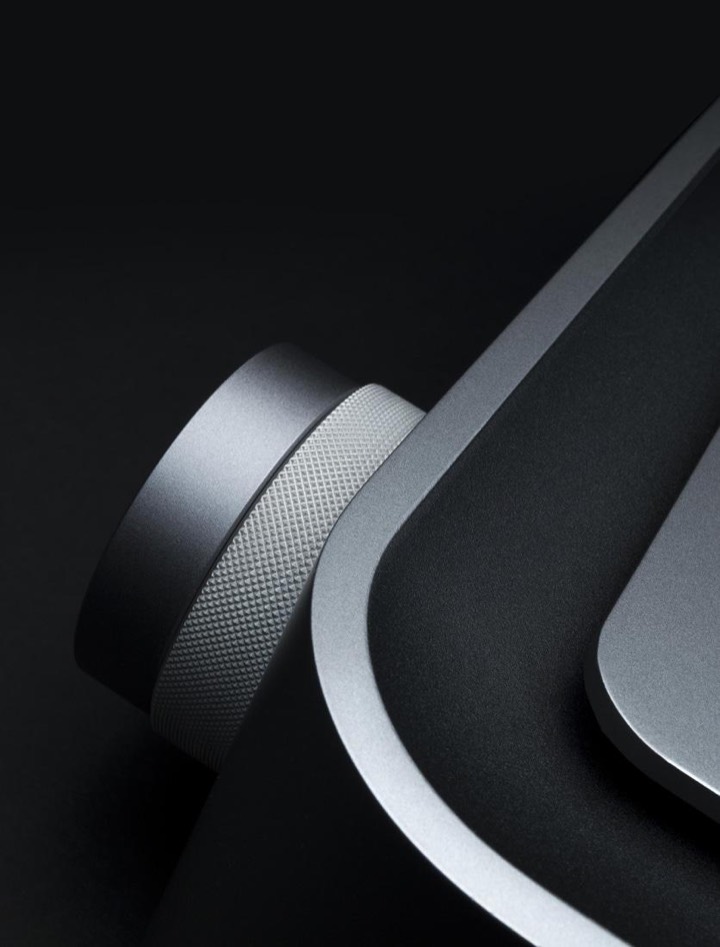
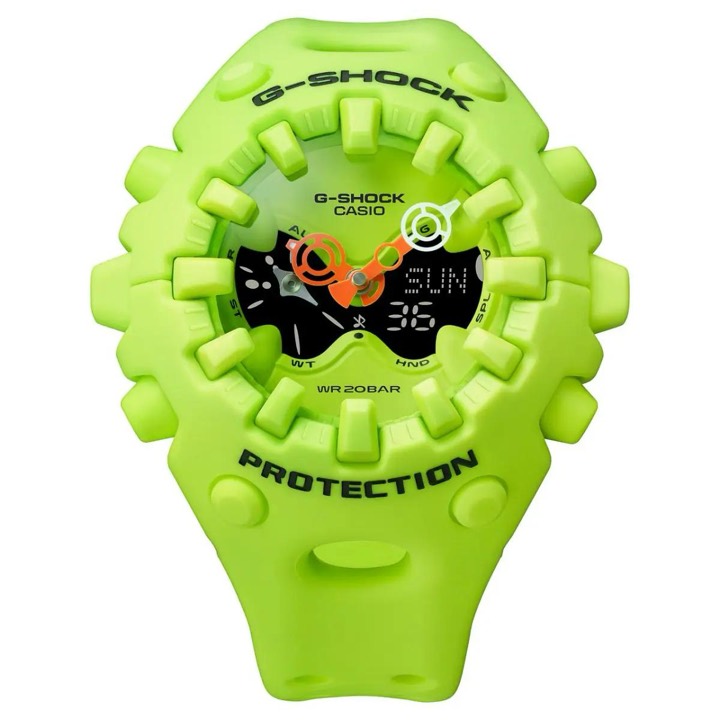
A real library, searched for real. Mentor's lines were written for this page.
Three moves. One of them is yours.
Save it from wherever it is.
One click in the Chrome extension, or paste a link into the one input on your phone. Nothing asks you where it goes.
A model reads what arrived and writes down what it is: a summary, a type, the tags. A new library's first twenty saves are read in minutes, and after that usually within the hour.
What you keep elsewhere comes with you: Are.na channels, Cosmos clusters and Behance projects import with one command each.
schrier.xyz/Heritage
Your taste, in a form a model can read.
Anyone can make forty directions before lunch. Knowing which one is good, and why, didn't get cheaper. That judgement is already in what you keep.
Rafael Cespedes, on why he's building itIt answers back.
Other libraries wait for you to search them. Mentor reads yours and brings what bears on what you're making.
Nothing to file.
No channels, boards or folders to keep up. Things are found by what they are, in the words you'd use to ask.
No feed.
Nobody to follow, nothing to perform for. The only taste in here is yours.
Not a to-do list.
A reference isn't unread. Only the tools you meant to try and the articles you meant to read wait in a queue. The rest is there when you need it.
Questions.
What is Trove?
A private library of references: the things other people made that you decided were good. An agent called Mentor lives inside it.
Most tools in this space are built around saving. Trove is built for what happens after: mid-project, Mentor searches everything you've kept and brings back what's relevant.
How is it different from mymind, Are.na or Cosmos?
They keep what you saved. Trove puts it to work.
Are.na has you file into channels; Trove files nothing. Cosmos is made to be browsed by other people; Trove is private. mymind is private too, and stops at the pile. Trove answers when you're mid-project.
How do things get in?
The Chrome extension saves the page you're on in one click, and can bring your X bookmarks in bulk. On a phone, paste a link into the input at the bottom of any screen.
Existing collections come in by command: Are.na channels, Cosmos clusters and Behance projects. An import shows you what it found before it keeps anything.
What happens to something after I save it?
A model reads it and writes a summary, picks what kind of thing it is, and tags it from one shared vocabulary. That's what makes it findable later by meaning, not just by the words in its title.
It also asks what the thing wants from you. A tool you meant to try and an article you meant to read go in a queue. Everything else is pure reference, and isn't counted as unread.
What is a Quest?
What you're trying to make, in your own words, kept exactly as you typed it. Mentor reads it against your library and gathers the visuals, tools and references that bear on it. When something is worth using, take the visuals straight out and into wherever you're working.
Does Mentor learn my taste?
It understands you because you told it, not because it inferred you. What it knows traces back to something you did: a thing you kept, a thing you discarded, a note you wrote.
Twelve examples are still twelve examples, not a style. Turning a pile of references into an instruction a model can follow is unsolved, for everyone, us included.
Is it private?
Your library is yours, and it isn't public. No feed, no followers, nothing to perform for.
One honest caveat. When something arrives, we send it to a model to summarise and tag it, which is what makes it findable later. That doesn't happen on your device. We'd rather say so than let the word “private” do work it can't.
Why invite-only?
Every save is read by a model, and that costs real money per artifact. Keeping it small is also how we get it right for a few people before guessing at what a crowd wants.
Who's building it?
Rafael Cespedes, a designer, who started it as the library he wanted for his own references. The long version.
Your Trove awaits.
Trove is in private alpha. Tell us what you'd keep in it, and we'll write back when there's room.
The work on this page belongs to the people who made it: Teenage Engineering, Collins (Crane & Co.), Jornalero packaging, Schriër (Heritage), Joseph Green (Buttys), Elektron, Korg, Casio, Starcrafter, Nigel Cottier (Alphabetical Playground), Good Things Organic, and others found on Are.na. Each card links to where it came from. If one is yours and you'd like it off this page, write to rafael@trove.quest.